Laser Treatment for Toenail Fungus in Laguna Hills: What You Need to Know
- posted: Mar. 29, 2026
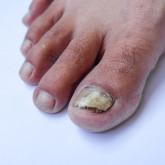
Toenail fungus, medically known as onychomycosis, is a common condition that can affect the appearance and health of your nails. Many patients in Laguna Hills and surrounding Orange County communities seek treatment when nails become thickened, discolored, brittle, or difficult to trim.
One increasingly requested option is laser treatment for toenail fungus, a non-invasive approach that may help reduce fungal presence and support healthier nail regrowth.
Understanding Toenail Fungus
(Recommended image source: Pixabay — search: “thick yellow toenail fungus”)
Toenail fungus develops when fungi enter the nail through small cracks or separations between the nail and nail bed. Over time, the infection can lead to:
- Yellow, white, or brown discoloration
- Thickened or distorted nails
- Crumbling edges
- Separation of the nail from the nail bed
Because the nail plate acts as a barrier, treatment can be challenging and often requires a targeted approach.
How Laser Treatment Works
(Recommended image source: Pexels — search: “laser therapy foot treatment”)
Laser therapy uses focused light energy—commonly in the near-infrared range—to penetrate the nail and reach the underlying fungal organisms.
From a clinical perspective:
- The laser generates controlled heat within the nail unit
- This environment may help inhibit fungal growth
- Surrounding skin and tissue are generally preserved
Unlike oral medications, laser treatment is localized, meaning it does not involve systemic exposure.
What to Expect During the Procedure
(Recommended image source: Unsplash — search: “podiatrist treating foot clinic”)
Laser toenail fungus treatment is performed in-office and is generally well tolerated:
- Preparation: Nails may be trimmed or thinned
- Treatment: A handheld laser device is passed over the affected nails
- Sensation: Mild warmth or tingling may be felt
- Duration: Approximately 15–30 minutes
- Recovery: No downtime; normal activities can be resumed immediately
A series of treatments is often recommended depending on the severity of the infection.
Potential Benefits of Laser Treatment
Patients often consider laser therapy because it:
- Does not require oral antifungal medication
- Avoids concerns related to systemic side effects
- Is non-invasive and convenient
- Can be used alongside other treatment options
Important Considerations
(Recommended image source: Pixabay — search: “healthy toenail regrowth”)
It is important to have realistic expectations:
- Laser treatment does not provide immediate cosmetic results
- Improvement depends on new nail growth, which may take several months
- Multiple sessions may be needed
- Results can vary from patient to patient
In many cases, laser therapy is most effective when used as part of a comprehensive treatment plan.
Who May Benefit from Laser Treatment?
Laser therapy may be appropriate for:
- Mild to moderate toenail fungus
- Patients who prefer to avoid oral medications
- Individuals who have not responded to topical treatments alone
- Patients looking to support healthier nail regrowth
Preventing Toenail Fungus Recurrence
(Recommended image source: Unsplash — search: “clean dry feet towel”)
Even after treatment, fungal infections can return without proper care:
- Keep feet clean and dry
- Wear breathable shoes
- Change socks regularly
- Avoid walking barefoot in public areas
- Use antifungal sprays or powders when appropriate
When to Seek Professional Care
If you notice persistent nail discoloration, thickening, or changes in nail structure, early evaluation can improve outcomes. A podiatrist can confirm whether the condition is fungal and recommend appropriate treatment options tailored to your needs.
Schedule a Consultation
If you are dealing with toenail fungus and would like to learn whether laser treatment may be appropriate for your condition, a professional evaluation is an important first step.
To schedule an appointment with Dr. Neda Arjomandi, DPM, please contact Laguna Woods Podiatry Group at (949) 581-2520.
We proudly serve patients from Laguna Hills, Laguna Woods, Mission Viejo, Lake Forest, Aliso Viejo, Irvine, Laguna Niguel, Rancho Santa Margarita, Foothill Ranch, Dana Point, San Juan Capistrano, Newport Beach, Costa Mesa, and Tustin.
Disclaimer
This content is provided for informational and educational purposes only and does not constitute medical advice, diagnosis, or treatment. Laser treatment for toenail fungus may help reduce fungal presence and improve nail appearance; however, results can vary. A licensed podiatrist or healthcare provider should evaluate your condition and recommend the most appropriate treatment based on your individual needs.
- posted: Mar. 29, 2026
Toenail fungus, medically known as onychomycosis, is a common condition that can affect the appearance and health of your nails. Many patients in Laguna Hills and surrounding Orange County communities seek treatment when nails become thickened, discolored, brittle, or difficult to trim.
One increasingly requested option is laser treatment for toenail fungus, a non-invasive approach that may help reduce fungal presence and support healthier nail regrowth.
Understanding Toenail Fungus
(Recommended image source: Pixabay — search: “thick yellow toenail fungus”)
Toenail fungus develops when fungi enter the nail through small cracks or separations between the nail and nail bed. Over time, the infection can lead to:
- Yellow, white, or brown discoloration
- Thickened or distorted nails
- Crumbling edges
- Separation of the nail from the nail bed
Because the nail plate acts as a barrier, treatment can be challenging and often requires a targeted approach.
How Laser Treatment Works
(Recommended image source: Pexels — search: “laser therapy foot treatment”)
Laser therapy uses focused light energy—commonly in the near-infrared range—to penetrate the nail and reach the underlying fungal organisms.
From a clinical perspective:
- The laser generates controlled heat within the nail unit
- This environment may help inhibit fungal growth
- Surrounding skin and tissue are generally preserved
Unlike oral medications, laser treatment is localized, meaning it does not involve systemic exposure.
What to Expect During the Procedure
(Recommended image source: Unsplash — search: “podiatrist treating foot clinic”)
Laser toenail fungus treatment is performed in-office and is generally well tolerated:
- Preparation: Nails may be trimmed or thinned
- Treatment: A handheld laser device is passed over the affected nails
- Sensation: Mild warmth or tingling may be felt
- Duration: Approximately 15–30 minutes
- Recovery: No downtime; normal activities can be resumed immediately
A series of treatments is often recommended depending on the severity of the infection.
Potential Benefits of Laser Treatment
Patients often consider laser therapy because it:
- Does not require oral antifungal medication
- Avoids concerns related to systemic side effects
- Is non-invasive and convenient
- Can be used alongside other treatment options
Important Considerations
(Recommended image source: Pixabay — search: “healthy toenail regrowth”)
It is important to have realistic expectations:
- Laser treatment does not provide immediate cosmetic results
- Improvement depends on new nail growth, which may take several months
- Multiple sessions may be needed
- Results can vary from patient to patient
In many cases, laser therapy is most effective when used as part of a comprehensive treatment plan.
Who May Benefit from Laser Treatment?
Laser therapy may be appropriate for:
- Mild to moderate toenail fungus
- Patients who prefer to avoid oral medications
- Individuals who have not responded to topical treatments alone
- Patients looking to support healthier nail regrowth
Preventing Toenail Fungus Recurrence
(Recommended image source: Unsplash — search: “clean dry feet towel”)
Even after treatment, fungal infections can return without proper care:
- Keep feet clean and dry
- Wear breathable shoes
- Change socks regularly
- Avoid walking barefoot in public areas
- Use antifungal sprays or powders when appropriate
When to Seek Professional Care
If you notice persistent nail discoloration, thickening, or changes in nail structure, early evaluation can improve outcomes. A podiatrist can confirm whether the condition is fungal and recommend appropriate treatment options tailored to your needs.
Schedule a Consultation
If you are dealing with toenail fungus and would like to learn whether laser treatment may be appropriate for your condition, a professional evaluation is an important first step.
To schedule an appointment with Dr. Neda Arjomandi, DPM, please contact Laguna Woods Podiatry Group at (949) 581-2520.
We proudly serve patients from Laguna Hills, Laguna Woods, Mission Viejo, Lake Forest, Aliso Viejo, Irvine, Laguna Niguel, Rancho Santa Margarita, Foothill Ranch, Dana Point, San Juan Capistrano, Newport Beach, Costa Mesa, and Tustin.
Disclaimer
This content is provided for informational and educational purposes only and does not constitute medical advice, diagnosis, or treatment. Laser treatment for toenail fungus may help reduce fungal presence and improve nail appearance; however, results can vary. A licensed podiatrist or healthcare provider should evaluate your condition and recommend the most appropriate treatment based on your individual needs.
Our Location
Find us on the map
Hours of Operation
Our Regular Schedule
Monday
9:00 am - 5:00 pm
Tuesday
9:00 am - 5:00 pm
Wednesday
9:00 am - 5:00 pm
Thursday
9:00 am - 5:00 pm
Friday
9:00 am - 3:00 pm
Saturday
Closed
Sunday
Closed