Sea Urchin Spine Injuries to the Foot: What to Know and When to See a Podiatrist
- posted: Dec. 21, 2025
Many Southern California residents enjoy beach and ocean activities while traveling, particularly to destinations such as Hawaii. In these settings, stepping on sharp marine organisms—most commonly sea urchin spines—can lead to foot injuries that may require podiatric care once patients return home.
What Are Sea Urchin Spine Injuries?
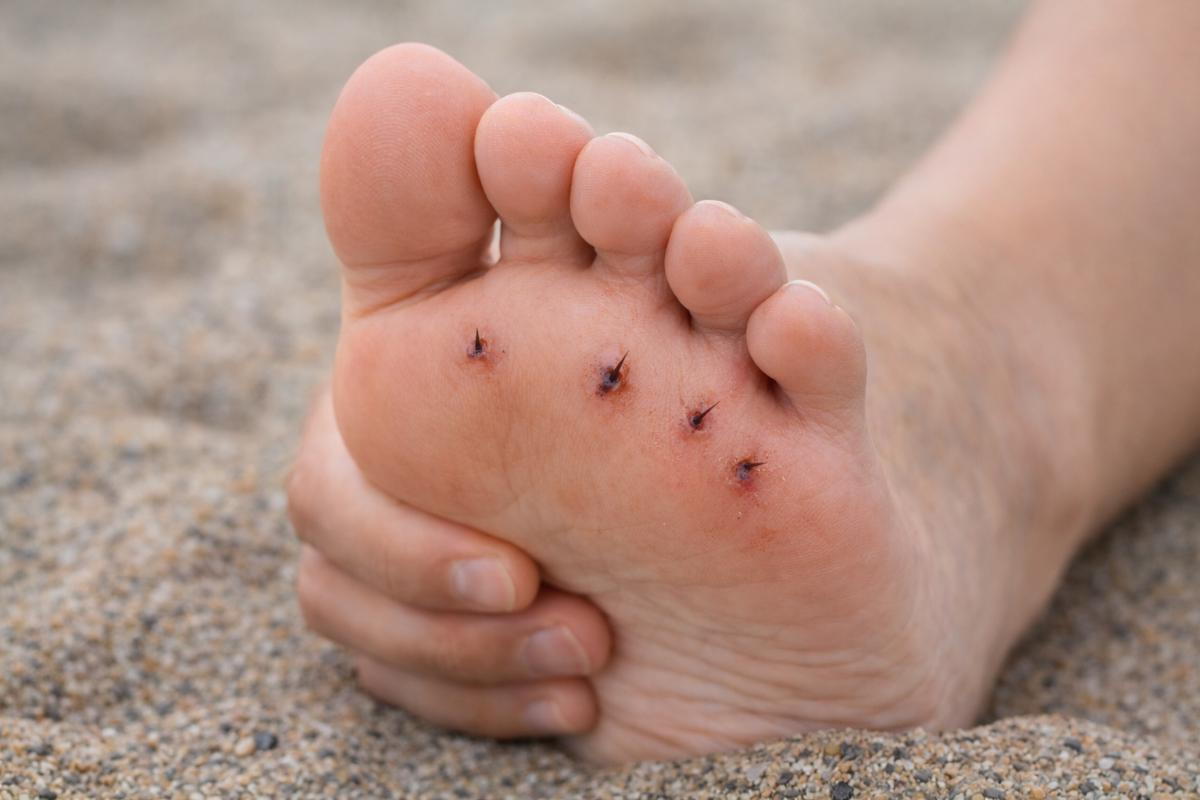
Sea urchins are marine animals covered with stiff, needle-like spines. When stepped on, these spines can break off and embed into the skin of the foot, often feeling like a thorn, needle, or splinter stuck deep inside.
Because the foot bears weight and pressure, these spines may:
Be difficult to remove at home
Cause ongoing pain when walking
Lead to inflammation or irritation if left untreated
In some cases, fragments remain beneath the skin even after the surface wound appears healed.
Common Symptoms After Stepping on a Sea Urchin
Symptoms may include:
Sharp or stabbing pain in the sole of the foot
Pain when standing or walking
Redness or localized swelling
Dark dots visible under the skin
Tenderness that persists for days or weeks
If pain continues or worsens, a podiatric evaluation is recommended.
Why Professional Removal May Be Needed
Sea urchin spines are brittle and can break into smaller pieces, making home removal difficult. Attempting to dig into the skin can increase irritation or push fragments deeper.
A podiatrist can:
Evaluate the depth and location of the spine
Remove retained fragments using sterile instruments
Assess for signs of inflammation or complications
Recommend appropriate aftercare to support healing
Prompt evaluation may help improve comfort and reduce prolonged symptoms.
How to Reduce the Risk of Sea Urchin Foot Injuries
While not all injuries can be prevented, the following steps may help reduce risk:
Wear protective water shoes when walking on rocky shorelines
Avoid stepping into areas with visible sea urchins
Shuffle feet gently in unfamiliar ocean terrain rather than stepping forcefully
Inspect feet after ocean activities
If you suspect a spine is embedded and pain persists, it’s best to avoid continued pressure on the area.
Treatment Options at Laguna Woods Podiatry Group
Treatment depends on the depth of the spine and the condition of the surrounding skin. Options may include:
Careful removal of retained spines
Local wound care recommendations
Guidance on activity modification during healing
An individualized evaluation helps determine the most appropriate approach for each patient.
When to See a Podiatrist
You should seek podiatric care if:
Pain continues beyond a few days
Walking becomes uncomfortable
A spine appears stuck beneath the skin
There is increasing redness or irritation
Early evaluation may help prevent ongoing discomfort and support proper healing.
Laguna Woods Podiatry Group proudly serves patients from Laguna Hills, Laguna Woods, Mission Viejo, Lake Forest, Aliso Viejo, Irvine, Laguna Niguel, Rancho Santa Margarita, Foothill Ranch, Dana Point, San Juan Capistrano, Newport Beach, Costa Mesa, and Tustin.
Schedule an Evaluation
To schedule an evaluation with Dr. Neda Arjomandi, DPM, please contact Laguna Woods Podiatry Group at (949) 581-2520. We proudly serve patients from Laguna Hills, Laguna Woods, Mission Viejo, Lake Forest, Aliso Viejo, Irvine, Laguna Niguel, Rancho Santa Margarita, Foothill Ranch, Dana Point, San Juan Capistrano, Newport Beach, Costa Mesa, and Tustin.
- posted: Dec. 21, 2025
Many Southern California residents enjoy beach and ocean activities while traveling, particularly to destinations such as Hawaii. In these settings, stepping on sharp marine organisms—most commonly sea urchin spines—can lead to foot injuries that may require podiatric care once patients return home.
What Are Sea Urchin Spine Injuries?
Sea urchins are marine animals covered with stiff, needle-like spines. When stepped on, these spines can break off and embed into the skin of the foot, often feeling like a thorn, needle, or splinter stuck deep inside.
Because the foot bears weight and pressure, these spines may:
Be difficult to remove at home
Cause ongoing pain when walking
Lead to inflammation or irritation if left untreated
In some cases, fragments remain beneath the skin even after the surface wound appears healed.
Common Symptoms After Stepping on a Sea Urchin
Symptoms may include:
Sharp or stabbing pain in the sole of the foot
Pain when standing or walking
Redness or localized swelling
Dark dots visible under the skin
Tenderness that persists for days or weeks
If pain continues or worsens, a podiatric evaluation is recommended.
Why Professional Removal May Be Needed
Sea urchin spines are brittle and can break into smaller pieces, making home removal difficult. Attempting to dig into the skin can increase irritation or push fragments deeper.
A podiatrist can:
Evaluate the depth and location of the spine
Remove retained fragments using sterile instruments
Assess for signs of inflammation or complications
Recommend appropriate aftercare to support healing
Prompt evaluation may help improve comfort and reduce prolonged symptoms.
How to Reduce the Risk of Sea Urchin Foot Injuries
While not all injuries can be prevented, the following steps may help reduce risk:
Wear protective water shoes when walking on rocky shorelines
Avoid stepping into areas with visible sea urchins
Shuffle feet gently in unfamiliar ocean terrain rather than stepping forcefully
Inspect feet after ocean activities
If you suspect a spine is embedded and pain persists, it’s best to avoid continued pressure on the area.
Treatment Options at Laguna Woods Podiatry Group
Treatment depends on the depth of the spine and the condition of the surrounding skin. Options may include:
Careful removal of retained spines
Local wound care recommendations
Guidance on activity modification during healing
An individualized evaluation helps determine the most appropriate approach for each patient.
When to See a Podiatrist
You should seek podiatric care if:
Pain continues beyond a few days
Walking becomes uncomfortable
A spine appears stuck beneath the skin
There is increasing redness or irritation
Early evaluation may help prevent ongoing discomfort and support proper healing.
Laguna Woods Podiatry Group proudly serves patients from Laguna Hills, Laguna Woods, Mission Viejo, Lake Forest, Aliso Viejo, Irvine, Laguna Niguel, Rancho Santa Margarita, Foothill Ranch, Dana Point, San Juan Capistrano, Newport Beach, Costa Mesa, and Tustin.
Schedule an Evaluation
To schedule an evaluation with Dr. Neda Arjomandi, DPM, please contact Laguna Woods Podiatry Group at (949) 581-2520. We proudly serve patients from Laguna Hills, Laguna Woods, Mission Viejo, Lake Forest, Aliso Viejo, Irvine, Laguna Niguel, Rancho Santa Margarita, Foothill Ranch, Dana Point, San Juan Capistrano, Newport Beach, Costa Mesa, and Tustin.
Our Location
Find us on the map
Hours of Operation
Our Regular Schedule
Monday
9:00 am - 5:00 pm
Tuesday
9:00 am - 5:00 pm
Wednesday
9:00 am - 5:00 pm
Thursday
9:00 am - 5:00 pm
Friday
9:00 am - 3:00 pm
Saturday
Closed
Sunday
Closed