Those Pesky Ingrown Toenails: Causes, Prevention, and Treatment
- posted: Feb. 02, 2025
Ingrown toenails. Just the name itself can make you cringe! It's a surprisingly common problem that can cause a lot of pain and discomfort. But what exactly causes them, and what can you do to prevent and treat this pesky foot condition?
What is an ingrown toenail?
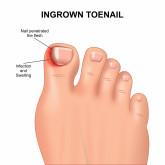
An ingrown toenail occurs when the edge of your toenail, usually on the big toe, grows into the surrounding skin. This can cause pain, redness, swelling, and even infection.
What causes ingrown toenails?
Several factors can contribute to ingrown toenails, including:
- Improper nail trimming: Cutting your toenails too short or rounding the edges can encourage the nail to grow into the skin.
- Tight footwear: Shoes that squeeze your toes can put pressure on the nails and force them to grow abnormally.
- Nail injuries: Stubbing your toe or dropping something heavy on your foot can damage the nail and lead to ingrown nails.
- Fungal infections: Fungal infections can thicken and distort the nails, making them more prone to ingrowing.
- Genetics: Some people are simply more predisposed to ingrown toenails due to the shape of their nails or toes.
Symptoms of an ingrown toenail:
Recognizing the signs of an ingrown toenail is crucial for early intervention and preventing complications. Look out for the following:
- Pain: This is usually the first and most noticeable symptom. The pain can be sharp, throbbing, or tender to the touch.
- Redness: The skin around the ingrown nail will often be red and inflamed.
- Swelling: You may notice swelling around the affected toe.
- Pus or discharge: In cases of infection, there may be pus or a foul-smelling discharge.
Preventing ingrown toenails:
Taking proactive steps to prevent ingrown toenails can save you a lot of discomfort. Here are some tips:
- Trim your toenails straight across: Avoid rounding the corners or cutting them too short. Use a clean and sharp nail clipper.
- Wear properly fitting shoes: Make sure your shoes have enough room in the toe box to allow your toes to move freely. Avoid shoes that are too tight or narrow, especially high heels.
- Protect your feet: Wear shoes in public areas like pools, locker rooms, and showers to prevent fungal infections.
- Keep your feet clean and dry: Wash your feet daily with soap and water, and dry them thoroughly, especially between the toes. This helps prevent bacterial and fungal growth.
- Choose breathable socks: Opt for socks made of moisture-wicking materials like cotton or wool to keep your feet dry.
Treatment options for ingrown toenails:
If you already have an ingrown toenail, don't worry! There are several treatment options available:
- Home care: For mild cases, soaking your foot in warm water several times a day can help reduce inflammation and soften the skin. You can also gently lift the nail edge with a clean cotton swab and apply antibiotic ointment.
- Podiatrist care: A podiatrist can carefully trim the ingrown portion of the nail and provide guidance on proper foot care. They may also clean the area and apply medication to reduce inflammation and prevent infection.
- Antibiotics: If the area is infected, your podiatrist may prescribe oral or topical antibiotics.
- Surgery: In recurrent or severe cases, a minor surgical procedure to remove a portion of the nail may be necessary. This is usually a simple in-office procedure with local anesthesia.
Beyond Ingrown Toenails: Other Foot Conditions We Treat
At Laguna Woods Podiatry, we offer comprehensive care for a wide range of foot and ankle conditions, including:
- Plantar fasciitis: Heel pain and arch pain
- Heel spurs: Bony growths on the heel
- Achilles tendonitis: Inflammation of the Achilles tendon
- Ankle sprains: Injuries to the ankle ligaments
- Neuromas: Thickened nerve tissue in the foot
- Metatarsalgia: Pain in the ball of the foot
- Bunions: Bony bumps on the big toe joint
- Hammertoes: Deformities of the toes
- Fungal infections: Athlete's foot, toenail fungus
- Diabetic foot care: Ulcers, infections, neuropathy
- Flat feet: Collapsed arches
- Sports injuries: Sprains, fractures, tendonitis
We offer a variety of treatments to address these conditions, including:
- Custom orthotics: To provide support and correct biomechanical issues
- Physical therapy: To improve strength, flexibility, and range of motion
- Medications: To reduce pain and inflammation
- Injections: Corticosteroids or PRP to reduce inflammation and promote healing
- Laser therapy: To treat fungal infections and other conditions
- Surgery: For complex or severe cases
Don't suffer in silence! If you're experiencing any foot or ankle pain or discomfort, seek professional help. Early intervention can prevent complications and get you back on your feet comfortably.
We proudly serve patients throughout Orange County, including: Aliso Viejo, Dana Point, Irvine, Laguna Beach, Laguna Niguel, Lake Forest, Mission Viejo, Newport Beach, Rancho Santa Margarita, San Clemente, and San Juan Capistrano.
Contact Dr. Neda Arjomandi at Laguna Woods Podiatry today to schedule an appointment.
- posted: Feb. 02, 2025
Ingrown toenails. Just the name itself can make you cringe! It's a surprisingly common problem that can cause a lot of pain and discomfort. But what exactly causes them, and what can you do to prevent and treat this pesky foot condition?
What is an ingrown toenail?
An ingrown toenail occurs when the edge of your toenail, usually on the big toe, grows into the surrounding skin. This can cause pain, redness, swelling, and even infection.
What causes ingrown toenails?
Several factors can contribute to ingrown toenails, including:
- Improper nail trimming: Cutting your toenails too short or rounding the edges can encourage the nail to grow into the skin.
- Tight footwear: Shoes that squeeze your toes can put pressure on the nails and force them to grow abnormally.
- Nail injuries: Stubbing your toe or dropping something heavy on your foot can damage the nail and lead to ingrown nails.
- Fungal infections: Fungal infections can thicken and distort the nails, making them more prone to ingrowing.
- Genetics: Some people are simply more predisposed to ingrown toenails due to the shape of their nails or toes.
Symptoms of an ingrown toenail:
Recognizing the signs of an ingrown toenail is crucial for early intervention and preventing complications. Look out for the following:
- Pain: This is usually the first and most noticeable symptom. The pain can be sharp, throbbing, or tender to the touch.
- Redness: The skin around the ingrown nail will often be red and inflamed.
- Swelling: You may notice swelling around the affected toe.
- Pus or discharge: In cases of infection, there may be pus or a foul-smelling discharge.
Preventing ingrown toenails:
Taking proactive steps to prevent ingrown toenails can save you a lot of discomfort. Here are some tips:
- Trim your toenails straight across: Avoid rounding the corners or cutting them too short. Use a clean and sharp nail clipper.
- Wear properly fitting shoes: Make sure your shoes have enough room in the toe box to allow your toes to move freely. Avoid shoes that are too tight or narrow, especially high heels.
- Protect your feet: Wear shoes in public areas like pools, locker rooms, and showers to prevent fungal infections.
- Keep your feet clean and dry: Wash your feet daily with soap and water, and dry them thoroughly, especially between the toes. This helps prevent bacterial and fungal growth.
- Choose breathable socks: Opt for socks made of moisture-wicking materials like cotton or wool to keep your feet dry.
Treatment options for ingrown toenails:
If you already have an ingrown toenail, don't worry! There are several treatment options available:
- Home care: For mild cases, soaking your foot in warm water several times a day can help reduce inflammation and soften the skin. You can also gently lift the nail edge with a clean cotton swab and apply antibiotic ointment.
- Podiatrist care: A podiatrist can carefully trim the ingrown portion of the nail and provide guidance on proper foot care. They may also clean the area and apply medication to reduce inflammation and prevent infection.
- Antibiotics: If the area is infected, your podiatrist may prescribe oral or topical antibiotics.
- Surgery: In recurrent or severe cases, a minor surgical procedure to remove a portion of the nail may be necessary. This is usually a simple in-office procedure with local anesthesia.
Beyond Ingrown Toenails: Other Foot Conditions We Treat
At Laguna Woods Podiatry, we offer comprehensive care for a wide range of foot and ankle conditions, including:
- Plantar fasciitis: Heel pain and arch pain
- Heel spurs: Bony growths on the heel
- Achilles tendonitis: Inflammation of the Achilles tendon
- Ankle sprains: Injuries to the ankle ligaments
- Neuromas: Thickened nerve tissue in the foot
- Metatarsalgia: Pain in the ball of the foot
- Bunions: Bony bumps on the big toe joint
- Hammertoes: Deformities of the toes
- Fungal infections: Athlete's foot, toenail fungus
- Diabetic foot care: Ulcers, infections, neuropathy
- Flat feet: Collapsed arches
- Sports injuries: Sprains, fractures, tendonitis
We offer a variety of treatments to address these conditions, including:
- Custom orthotics: To provide support and correct biomechanical issues
- Physical therapy: To improve strength, flexibility, and range of motion
- Medications: To reduce pain and inflammation
- Injections: Corticosteroids or PRP to reduce inflammation and promote healing
- Laser therapy: To treat fungal infections and other conditions
- Surgery: For complex or severe cases
Don't suffer in silence! If you're experiencing any foot or ankle pain or discomfort, seek professional help. Early intervention can prevent complications and get you back on your feet comfortably.
We proudly serve patients throughout Orange County, including: Aliso Viejo, Dana Point, Irvine, Laguna Beach, Laguna Niguel, Lake Forest, Mission Viejo, Newport Beach, Rancho Santa Margarita, San Clemente, and San Juan Capistrano.
Contact Dr. Neda Arjomandi at Laguna Woods Podiatry today to schedule an appointment.
Our Location
Find us on the map
Hours of Operation
Our Regular Schedule
Monday
9:00 am - 5:00 pm
Tuesday
9:00 am - 5:00 pm
Wednesday
9:00 am - 5:00 pm
Thursday
9:00 am - 5:00 pm
Friday
9:00 am - 3:00 pm
Saturday
Closed
Sunday
Closed